Mapping the Soviet Gulag "Archipelago"

"Thanks to ideology, the twentieth century was fated to experience evildoing on a scale calculated in the millions. This cannot be denied, nor passed over, not suppressed. How, then, do we dare insist that evildoers do not exist? And who was it that destroyed these millions? Without evildoers there would have been no Archipelago."
(Aleksandr Solzhenitsyn The Gulag Archipelago, 173-174)

Aleksandr Solzhenitsyn, the Russian novelist, historian, and former prisoner of the Soviet gualg system, wrote The Gulag Archipelago to document the experiences of those who lived through the camps. From his own and the testimonies of fellow survivors, Solzhenitsyn sought to lay out the broader consequences not at the hands of a single individual or group, but at the structure of the system itself and the complicity of society.
His work serves as both a historical investigation and a discussion of the moral consequences of political repression. It also serves as a warning to current forms of government that they are not immune to becoming systems of injustice.
History of the Gulag

Soviet Union from the 1920s - 1950s.

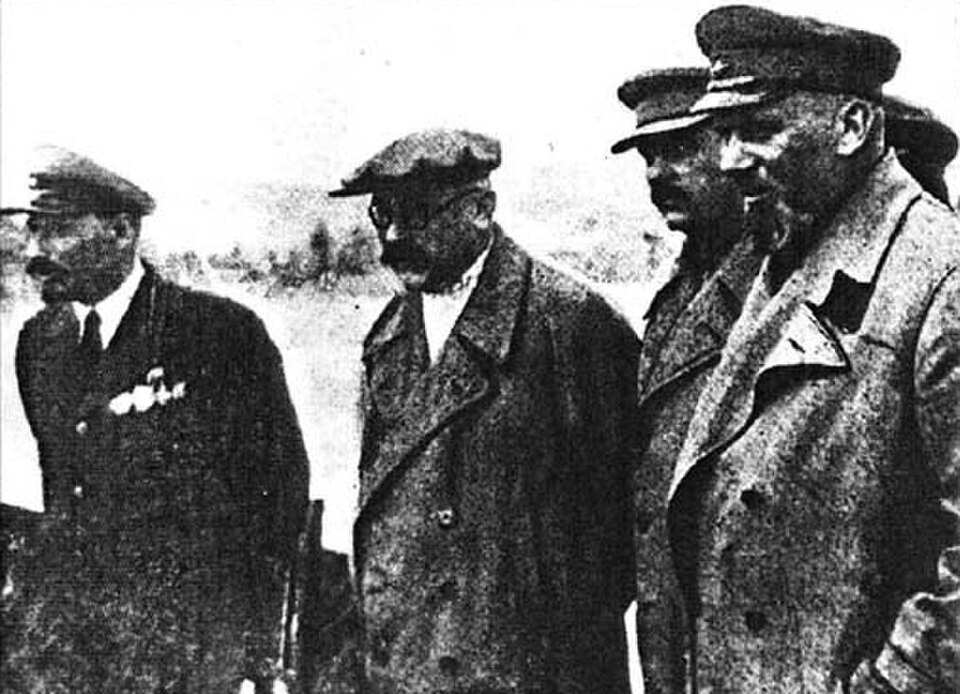
The first director of Dalstroi, Eduard Petrovich Berzin, on the right with subordinates. Taken in Magadan. 1936.

Repression

Following a series of reforms after the Bolshevik (October) Revolution of 1917, Soviet government began to classify individuals according to their perceived background and political class. Members of the intelleginsia—including writers, lawmakers, engineers, and many competent specialists—were frequently viewed and targeted due to their social status, level of education, or pre-revoluionary background. As political repression intensified, those not loyal or seen as a threat were removed from their positions, arrested, sent into exile, or headed to the gulag.

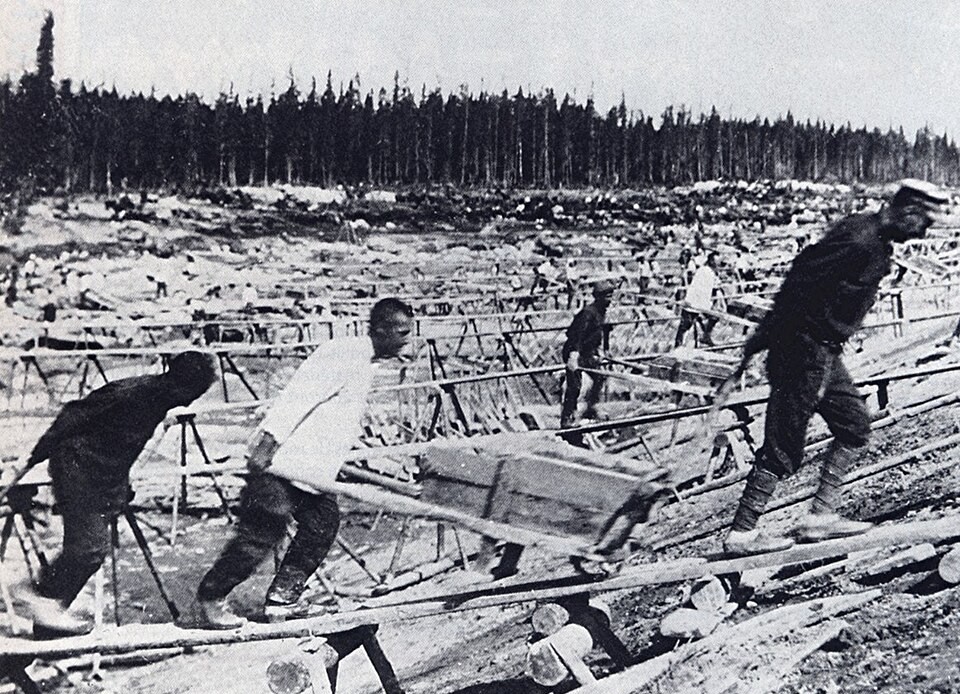
Forced labor prisoners hauling materials for the construction of the Whtie Sea-Baltic Canal. 1930s.

Labor

Camp labor came from both convicted criminals and political prisoners. Many camps were located in remote and harsh environments, such as the Artic Circle or Siberia. Inmates endured intense physical work, long hours, and dangerous working conditions—from mining to logging and railroad construction. Survival rates remain highly disputed.

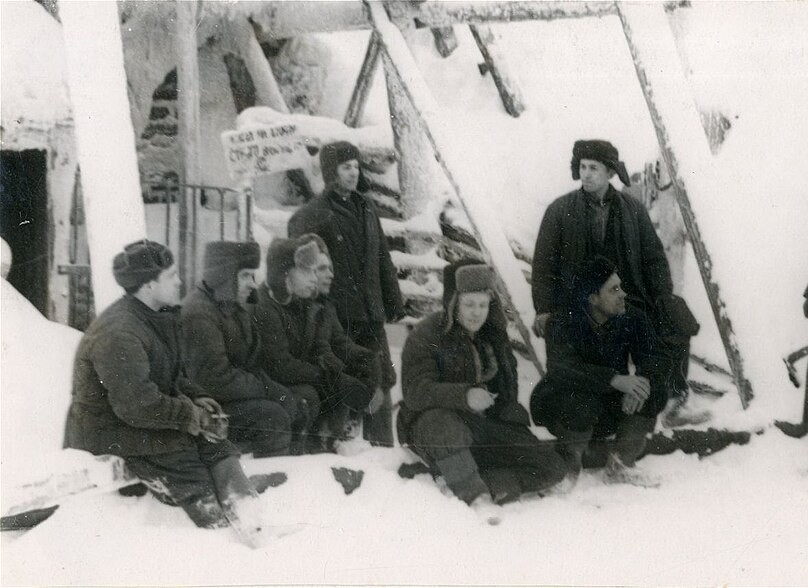
Prisoners taking a break from mining at the Indigirsky Gulag of Dalstroy (Indigirlag). 1950s.

Ideology

Marxist-Leninist ideology became the underlying force shaping Soviet policies. The government frequently took a stance against perceived social and political enemies—such as the kulaks, peasants who had made a decent living—and targeted them due to their success and/or opposition to the state. Broad legal provisions, such as the frequently cited Article 58-1, were used to "protect the state" from dangerous individuals though their expansive language and loose interpretation: "A counter-revolutionary action is any action aimed at overthrowing, undermining or weakening of the power of workers' and peasants' Soviets...".


The Database

An open source, verified, and cross-referenced database of 69 gulag camps across the Soviet Union. Included are coordinates, names, time periods, camp types, camp industries, and other relevant information. This list was compiled based on the accessibility and significance of each camp. The AI model Claude was used to parse for lesser known camps and archives. All work done by AI was verified and cross-referenced with existing sources.