History of the Gulag
Nearly four decades of forced labor camps, millions of prisoners, and a legacy that continues to shape the world today.
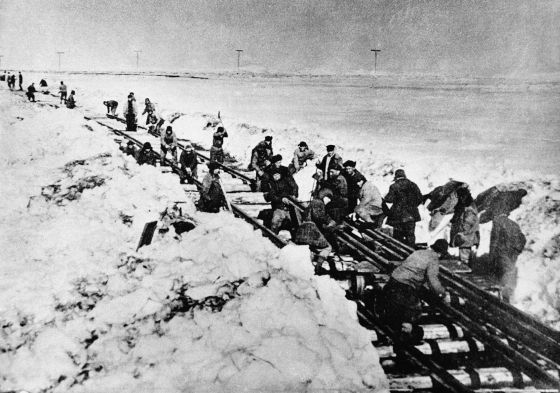
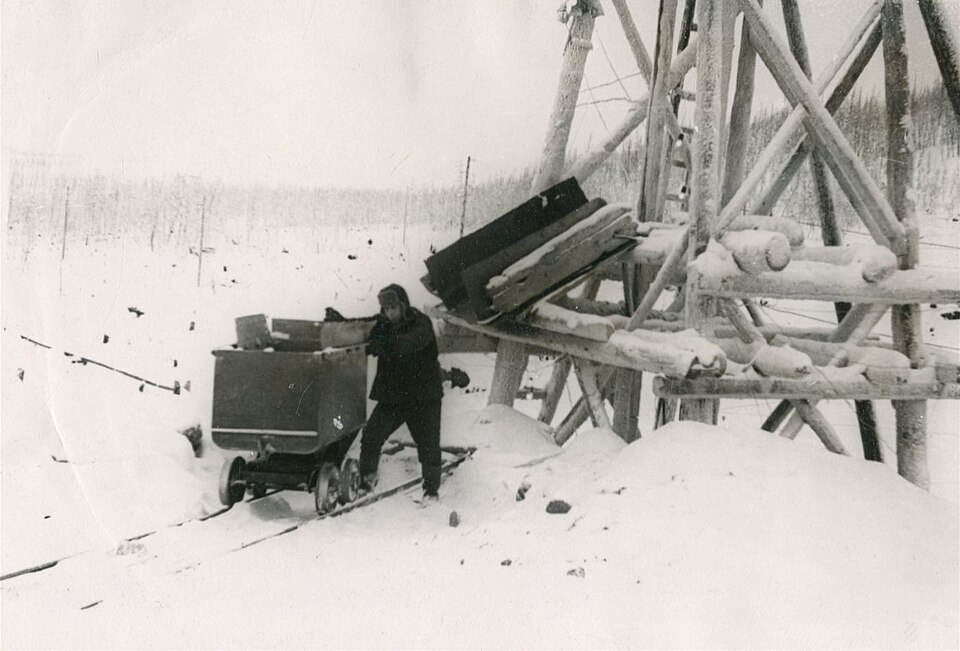
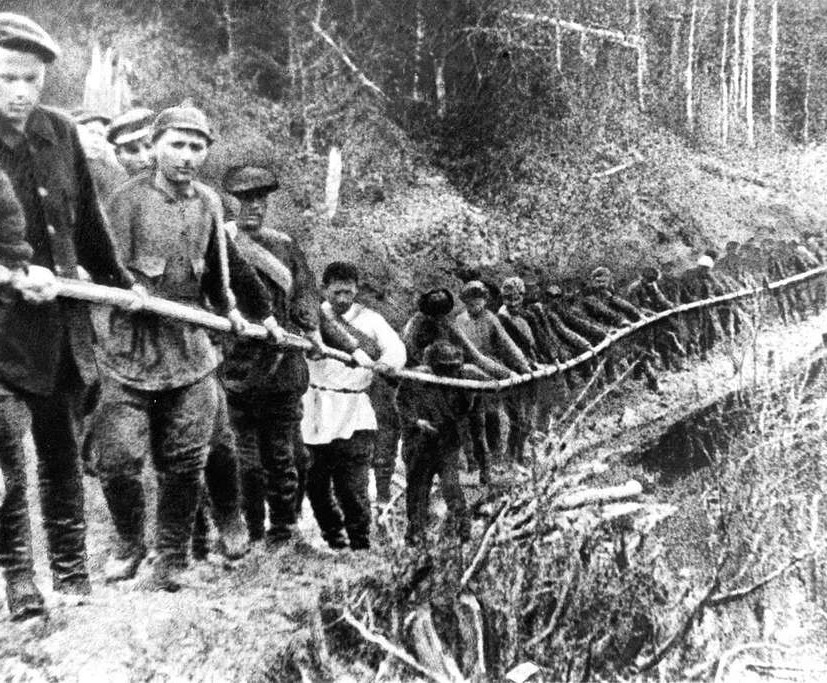
Salekhard-Igarka Railway work being done by prisoners. This railway would have connected the western and eastern parts of Siberia, but was never completed due to Stalin's death in 1953. Date of image unknown.
Gulag, in Russian Glavnoye Upravleniye Lagerey, meaning "Chief Administration of Corrective Labour Camps." Though the term is often used to describe the entire system of forced labor camps, it can also refer to a specific camp or a group of camps.
How The System Developed
Before the Gulag system was established, various camps existed for political prisoners and dissidents of the Bolsheviks after the Revolution of 1917. One of the major experimental camps of the 1920s, the Solovetsky monastery, located in the isolated White Sea, became a model for the later Gulag system. When Stalin took power, he expanded and standardized the Gulag system, making it the central tool of political repression in the Soviet Union.
The Soviet Union not only relied on the Gulag system for "corrective" purposes, but the camps accounted for 10% of the economy. Various projects, from the White Sea-Baltic Canal to the Baikal-Amur Mainline were constructed using this forced labor. In the 1940s and 50s the population was frequently over 1 million prisoners. To this day death toll estimates vary greatly from historian's cited 1.6 million to freed-prisoners' estimates in the tens of millions. After the death of Stalin in 1953, the Gulag system began to dismatle with Khrushchev's reforms. On January 25th, 1960 the system was officially aboslihed.
“From the very earliest days of the new Soviet state, in other words, people were to be sentenced not for what they had done, but for who they were.” (Anne Applebaum Gulag: A History, 43)
Camp Conditions
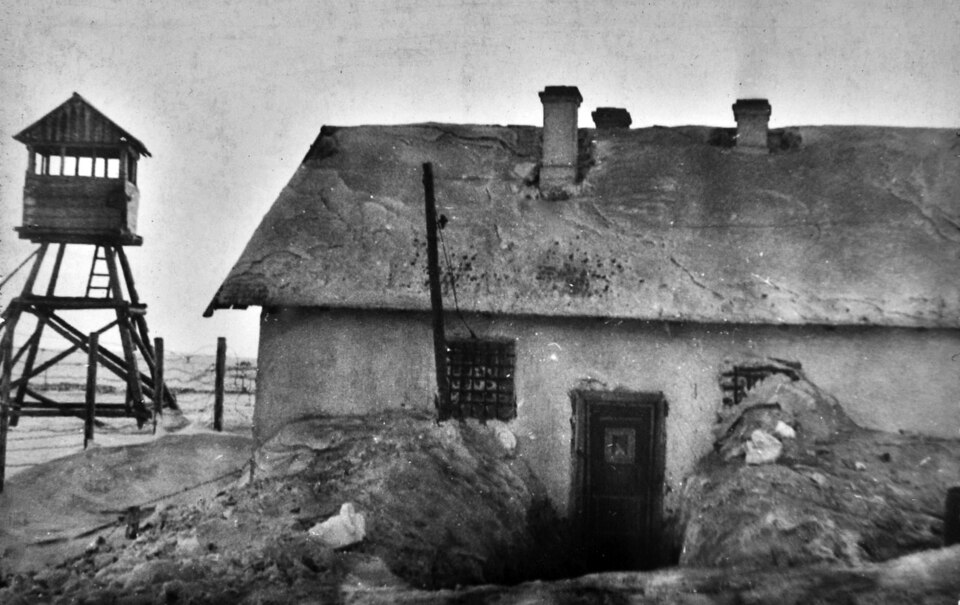
Prisoners in the Gulag were subjected to some of the harshest conditions imaginable. Many camps were located in remote and brutal environments, often above the Artic Circle or in Siberia. The extreme cold, lack of food, inadequate shelter, poor clothing, lack of medical care, and administrative cruelty were common.
"At that point, they abolished the remaining days off for the 58's and lengthened the summer workday to fourteen hours, came to consider 50 and 60 degrees below zero Fahrenheit suitable for work; and allowed work to be canceled only on those days when the temperature was lower than 65 degrees below zero Fahrenheit. (And because of the capriceso of individual chiefs some took the prisoners out for work even at 75 below.)" (Aleksandr Solzhenitsyn The Gulag Archipelago, 128)